

Why Christians Must Learn to Think Biblically in a Confused World
Christians who are not rooted in God’s Word will eventually begin to see, feel, and live like the world around them.
The Christian life isn’t accidental; it doesn’t unravel or flourish randomly. It is shaped by a small number of deeply embedded patterns that quietly, steadily form everything else.
While the Bible does not discuss menopause per se, it has much to say about aging, wisdom, and the role of older women in the faith. That’s why this is far more than a women’s health issue. It’s a pastoral one.
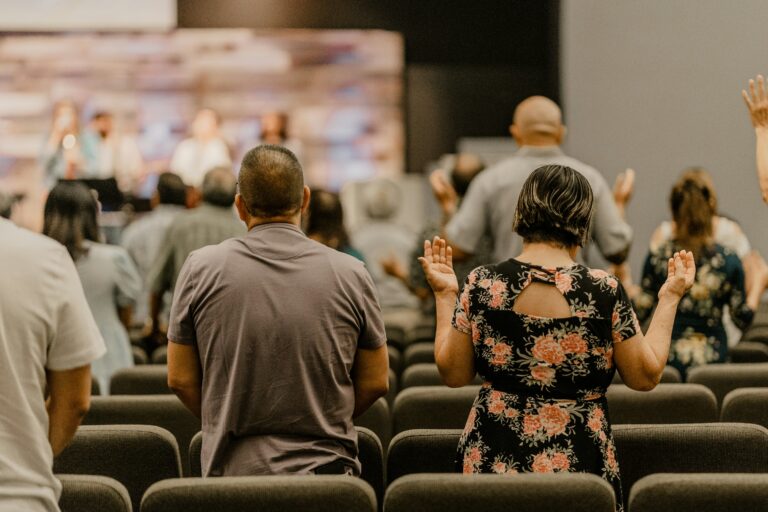
The ordinary practices of gathered worship may seem unimpressive to the world: preaching, prayer, singing, water, bread, and wine. Yet these are the very means God has ordained to strengthen faith, nourish his people, and display his glory.
There is a quiet fear that often settles into the church: the fear that gospel witness belongs to someone else. To pastors. To theologians. To trained apologists with answers ready and words carefully chosen. For the rest of us, evangelism can feel intimidating—something best left to professionals. In that mindset, the gospel feels precious, even fragile, and we worry that we might mishandle it. What if we say too little? What if we say the wrong thing? What if I’m too young? What if our past disqualifies us from speaking at all? But Scripture consistently tells a different story. The...