

A Liturgy With a Pause—for the Killing
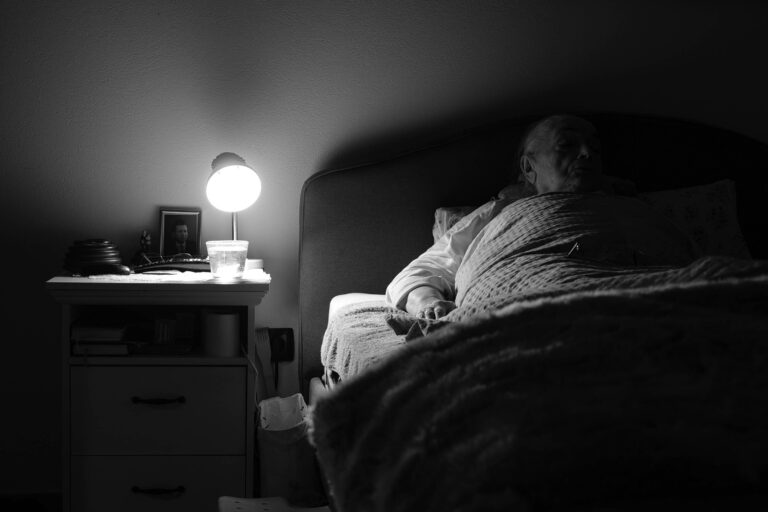
In the Communion Service provided, after people have received the bread and the wine, there is a pause so the person can be killed.
In his recent address to the various branches of the American government, our King, Charles III (1948–), spoke of feeling “the weight of history.” Speaking especially about the semiquincentennial—one might also call it by more obscure terms, such as the bisesquicentennial or the sestercentennial—of the founding of the American republic, he was calling to mind all of the momentous aspects of that event in the mid-1770s as well as historical details of the “special relationship” that has evolved since then between the United States and the United Kingdom. He was also reaching back, though, to such seminal documents as the...
How should we think about education in a world overcome by A.I.? Is there a future for post-secondary education? One of the common questions that will arise for people who are looking into school is “What do you hope to do when you are older?” When a person is getting a degree, we ask, “What do you hope to do with that degree?” The fundamental reality communicated by these types of questions is clear—people today see education as a means to a career. It is meant to equip people to do something. To make them money. To get them a...
I’m not a regular commentator on gossip and scandal, but the conversation around the revealed adultery of Philip Yancey over the last few days has me feeling reflective. Full disclosure: I don’t believe I’ve ever read a book by Philip Yancey. I read part of one over 20 years ago but set it aside. He came across to me, at least in that book, as being overly individualistic, somewhat negative towards the local church and a bit on the sentimental side. In fairness, I was young and exploring my own theology and Yancey seemed to cut across the grain of...
How Worried Should We Be About Bill C-9? Is Bill C-9 intended as a shield or a sword? That’s the question a lot of Canadians are asking in light of the recent legislative partnership between the Liberal party and the Bloc Quebecois. Bill C-9 purports to combat hate crimes by amending the Criminal Code to create new offences and to remove certain exemptions and perceived hindrances to prosecution. The bill was proposed by the governing Liberals, ostensibly to protect the Jewish community in Quebec from harassment by Islamic fundamentalists. The proposed amendments include provisions that would criminalize harassing people attempting...